
I’m Milson Neus, founder of Mneus Contracting. I provide flooring installation and repair in Orlando, FL for homeowners dealing with worn surfaces, damaged floors, outdated materials, or a complete floor remodel. I look beyond the finished surface because moisture, slab condition, flatness, transitions, and room use all affect how well a new floor performs.
Orlando’s long humid season and heavy summer rainfall make moisture awareness especially important when flooring is installed over concrete. National Weather Service normals show June, July, and August are Orlando’s wettest months. I check the conditions first so the flooring and installation method make sense for the home.
A flooring remodel can involve removal, disposal, slab or subfloor inspection, patching, floor leveling, moisture evaluation, underlayment, layout, installation, trim, transitions, and cleanup. The exact scope depends on the existing surface and what the new flooring requires. Orlando’s housing stock also varies.
The City recognizes historic districts such as Lake Eola Heights and Colonialtown South, where older homes can present different floor assemblies than newer slab-based construction. Some projects reveal old tile, terrazzo, wood flooring, previous repairs, or height changes between remodeled rooms.
Before I recommend a new floor, I want to understand what is already there. The plan should account for the existing surface, finished floor height, doors, cabinets, appliances, stairs, and adjoining rooms.
Residential spaces often need a balance of comfort, appearance, durability, and easy maintenance. Commercial floors may face heavier traffic, rolling loads, shorter maintenance windows, customer or employee movement, and greater pressure to avoid operational disruption.
I also look at how the flooring connects with doors, cabinetry, equipment, thresholds, stairs, hallways, and adjoining surfaces. Changes in material thickness can create problems if transitions are treated as an afterthought. The same thinking applies to repairs. Some damage only needs a focused correction. Recurring movement, moisture, cracking, or adhesive failure can point to a larger issue below the finished surface.
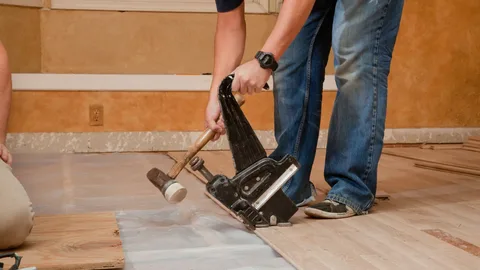
A new floor cannot correct every problem underneath it. I check for movement, low areas, loose tile, cracked concrete, damaged sections, old adhesive, and moisture concerns. Finding these conditions early can reduce hollow spots, separating joints, uneven seams, lifting edges, and repeat floor repairs after installation.
The right material depends on the room and the home. I consider moisture exposure, traffic, pets, spills, sunlight, maintenance, and comfort before discussing tile, LVP, laminate, carpet, or engineered wood. Orlando humidity makes material selection more important when moisture-sensitive flooring will be installed over concrete.
Flooring has to meet doors, baseboards, cabinets, stairs, thresholds, and adjoining rooms cleanly. I plan finished height, transition strips, stair nosing, plank direction, tile layout, and door clearance before installation. That prevents awkward elevation changes and finish details that look improvised after the floor is already down.
A damaged surface is not always the actual problem. Cracked tile, loose planks, soft areas, squeaks, lifting edges, or adhesive failure can begin below the finish. I find the cause first so a vinyl floor repair, tile repair, or replacement does not simply hide a condition that returns.
Moisture and slab preparation are two issues I pay close attention to in Orlando flooring projects. Concrete can look dry while still holding internal moisture that affects certain adhesives and floor coverings. ASTM F2170 is a recognized method for measuring relative humidity inside concrete slabs. Excess moisture can contribute to debonding and deterioration after flooring is installed.
I also look closely at existing flooring. Orlando homeowners often ask whether LVP can go over old tile. Sometimes it can, but only when the tile is stable, flat, and compatible with the new system. Loose tile, deep grout joints, moisture concerns, or excessive floor height can make removal the better choice.
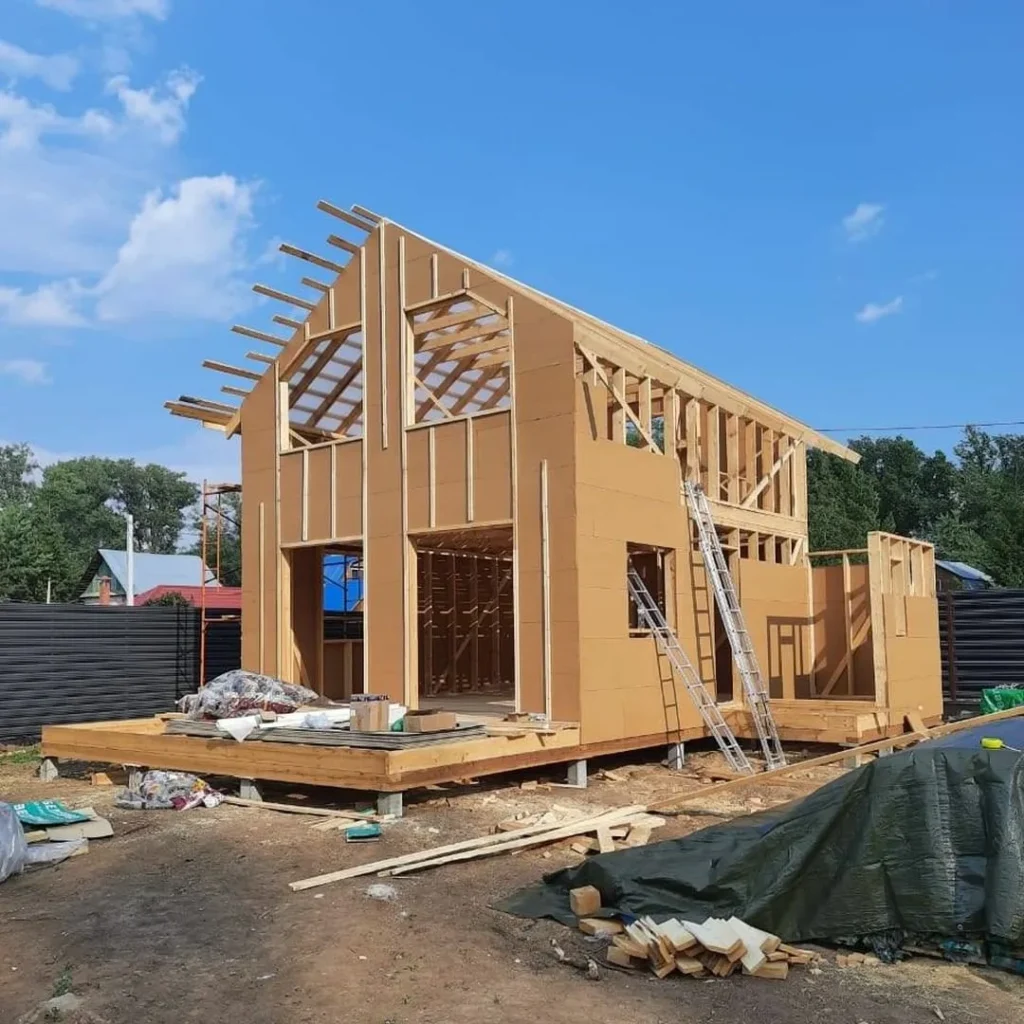
Hardwood installation in Orlando requires attention to moisture and material movement. I check the supporting surface, acclimation needs, expansion requirements, and installation method first. When a concrete slab or humidity conditions make solid wood less practical, I explain whether engineered hardwood offers a better fit for the room and long-term use.
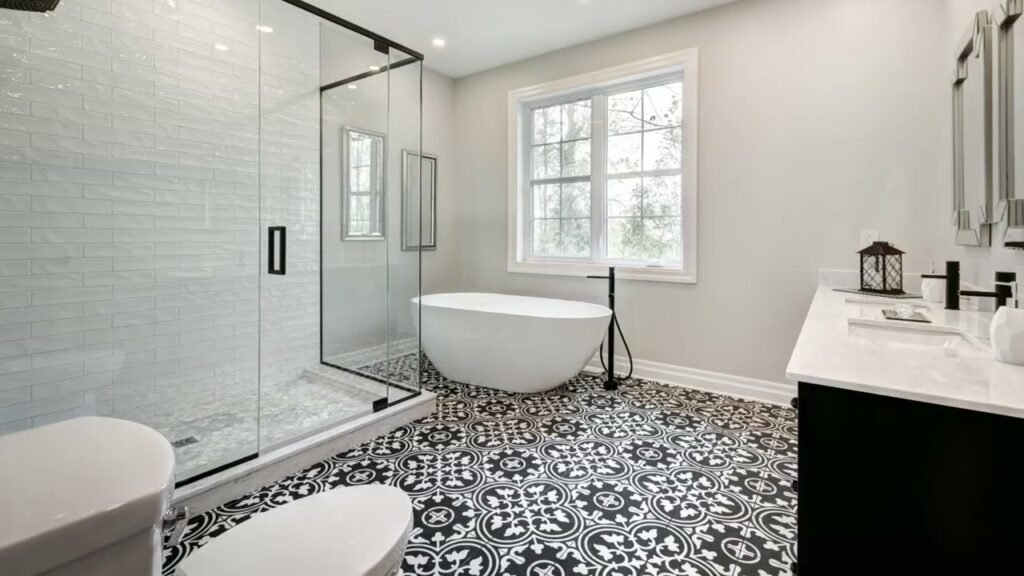
LVP, luxury vinyl tile, and laminate are common choices for a home renovation flooring project because they offer many styles and installation options. As an LVP flooring installer, I check floor flatness, moisture conditions, underlayment, expansion space, and manufacturer requirements before installation so locking joints and seams are properly supported.
I handle ceramic and porcelain tile installation along with carpet where softness and sound control are priorities. Tile work begins with a properly prepared surface, layout planning, mortar coverage, and appropriate grout joints. Carpet installation requires the right pad, secure edges, clean seams, and transitions that meet surrounding flooring properly.
Not every problem requires complete replacement. I provide tile repair services, LVP floor repair, vinyl floor repair, subfloor correction, and concrete preparation when the surrounding floor can reasonably remain. I inspect the damage first because cracked tile, loose planks, soft areas, or repeated movement often point to a problem below the surface.
Orlando flooring choices should account for climate, construction type, and the age of the home. Summer rainfall is high, many local flooring installations are performed over concrete, and older homes can contain floor assemblies or previous repairs that are not obvious until demolition begins. I do not assume the same material or installation method fits every Orlando home. I look at the substrate, existing construction, room use, and finished floor details before recommending the next step.
Commercial spaces place more emphasis on traffic levels, maintenance cycles, durability, accessibility, and how installation affects normal operations. Material selection should account for how often people use the floor and what the surface experiences during a normal business day. Scheduling also matters. A residential client may need access to bedrooms, kitchens, or living areas as work progresses. A commercial client may need the project planned around customers, employees, tenants, deliveries, or other trades.
I consider those differences before material is installed rather than assuming the same flooring system fits every property.

I inspect the floor, transitions, edges, damaged areas, and traffic patterns. I also discuss how you use the room before recommending repair, replacement, or a new flooring system.
I examine the slab or subfloor for cracks, movement, low areas, damage, and moisture concerns. Any required preparation is identified before the new flooring installation begins.
I help match the flooring to traffic, moisture, maintenance, appearance, and room use. The product should fit actual conditions rather than being selected on appearance alone.
I plan plank or tile direction, underlayment, thresholds, trim, transitions, and finished height. Proper preparation helps the flooring connect cleanly with doors, cabinets, stairs, and adjoining rooms.
I prepare the surface and complete the installation or repair using the appropriate method. I pay attention to seams, joints, edges, expansion space, thresholds, and manufacturer requirements.
I inspect the finished surface, trim, transitions, joints, and overall appearance. I also explain cure times, access limits, cleaning guidance, and maintenance requirements that apply after completion.
Repair makes sense when damage is localized, and the surrounding floor remains stable. A few broken tiles, a small section of damaged LVP, a failed transition, or a limited subfloor problem may be corrected without replacing the entire room. The cause still matters. If moisture, movement, poor adhesion, or slab irregularity affects several areas, repeated spot repairs can cost more than correcting the broader problem. Matching also matters because older tile, laminate, vinyl, or wood may be discontinued or faded.
I explain those tradeoffs before work begins. My goal is to help you choose between a targeted repair, partial replacement, or complete floor remodel based on condition rather than guesswork.
Replacement becomes more practical when the same failure appears in several areas, moisture damage is widespread, or the existing installation has problems that cannot be corrected in place. I base the recommendation on the condition and cause of the problem rather than the size of the visible defect alone.
Flooring is often finish work, but some projects connect to construction that goes beyond surface replacement. The City of Orlando states that construction and renovation projects may require permits depending on scope. If flooring work expands into structural repair or another regulated alteration, I check the applicable requirements before moving forward.
The Florida Building Code, 8th Edition (2023), is the current statewide code. Product instructions and recognized trade standards also matter because they control substrate preparation, moisture limits, adhesives, expansion space, and other installation conditions.
For tile, I follow the installation logic reflected in ANSI A108 and TCNA guidance. These standards address substrates, preparation, mortar, grout, flatness, and workmanship. A finished tile surface should not be used to hide an unstable or poorly prepared base.
For moisture-sensitive flooring over concrete, the manufacturer’s installation limits determine what preparation is acceptable. ASTM F2170 provides an in situ relative humidity test for concrete slabs and helps identify conditions that could affect a flooring system.
Simple finish replacement and structural floor work are not the same project. When a flooring job expands into regulated alteration, I account for City of Orlando permit requirements and applicable Florida code provisions instead of treating the work as a surface-only repair.
I am Milson Neus, founder of Mneus Contracting. I am a licensed Florida contractor and carry general liability and workers’ compensation insurance. I have completed hundreds of remodeling and home improvement projects across Florida. My accountability is personal. If I find a condition that changes the scope, I explain it. If tile repair is reasonable, I do not turn it into a whole home replacement just to make the project larger. If a material is a poor fit for the existing conditions, I would rather address that before installation than leave you with another flooring problem later.
That is how I approach Orlando home remodeling work. The finished surface matters, but the preparation and decisions underneath it are what protect the result.
My accountability is personal. My name is attached to Mneus Contracting. If I find a condition that changes the scope, I explain it before moving forward. If repair makes more sense than replacement, I say so. If a selected material is not a good match for the conditions or expected use, I would rather address that before installation than after the floor begins failing. Residential or commercial, the goal is the same: understand the conditions first and build the flooring project around them.
If your floor is damaged, uneven, outdated, or ready for a complete remodel, send me the project details. I can review the existing condition, discuss suitable materials, explain preparation needs, and help you understand the next practical step. If flooring is part of a larger renovation, I can also explain how it should fit into the sequence before you hire a home renovation contractor in Orlando for the complete project.
Flooring installation cost depends on material, square footage, removal, slab or subfloor preparation, layout, and trim. I provide project-specific pricing after inspecting the existing floor and scope.
Porcelain tile and quality LVP are practical moisture-resistant options for many Orlando homes. Engineered wood can also work when slab moisture, acclimation, and manufacturer requirements are properly addressed.
Sometimes. Existing tile must be stable, flat, well bonded, and compatible with the new system. Loose tile, deep grout lines, moisture, or height problems may require removal.
Basic finish replacement may differ from regulated alteration. If flooring work includes structural subfloor repair or other construction, I check City of Orlando permit requirements before beginning that scope.
Repair is usually practical when damage is localized, and the surrounding floor is stable. Widespread moisture, movement, recurring failures, or unavailable matching materials can make replacement more sensible.