
Electrical problems can interrupt a home or business without warning. Breaker trips, dead outlets, flickering lights, remodels, EV chargers, and generators can all reveal limits in the existing system. I provide electrical installation and repair in Orlando, FL, with a simple goal: understand the real condition first and then define the work that makes sense. As founder of Mneus Contracting, I keep the process clear so you know what is being repaired, what may need an upgrade, and what has to happen before work moves forward.
I founded Mneus Contracting to give property owners a more accountable way to handle repair and improvement work. Electrical wiring rarely exists in isolation. It runs behind walls and ceilings, feeds lighting and equipment, and often becomes part of a larger renovation or property upgrade.
When I take on electrical work, I look beyond the device in front of me. A new circuit may affect panel capacity. A fixture installation may reveal an unsuitable box or damaged conductor. Rewiring may require careful access through finished surfaces or occupied areas. Those details matter whether the property is a home, rental unit, office, retail space, or another commercial building.
That broader construction perspective helps me plan the work with fewer surprises. I still keep the electrical scope focused. I do not turn a small repair into an unnecessary renovation. The point is to understand how the work connects to the property so the final solution makes practical sense.
A failed device is not always the source of the problem. I trace the symptom before recommending a repair. That can mean checking the circuit, connections, breaker, wiring path, grounding, or connected load. Finding the cause first helps avoid replacing an outlet, switch, or breaker that was only showing a deeper electrical issue.
Modern electrical demand adds up quickly. Central air conditioning, pool equipment, commercial equipment, EV charging, generators, and new appliances can expose limits in an older panel. Before adding a dedicated circuit or major load, I review the panel and available capacity so the installation fits the system rather than overloading it.
The fastest fix is not always the right fix. I consider conductor condition, circuit protection, grounding, bonding, equipment ratings, and how the property is used. If an unsafe or noncompliant condition affects the planned work, I address it in the scope before a new installation covers the problem.
Electrical work should not leave you guessing. Once I understand the condition, I explain the repair or installation in plain language. I also identify access needs, permit considerations, and related construction work that may affect the project. That matters when rewiring or panel work touches finished walls, ceilings, equipment, or occupied spaces.
Repeated breaker trips are not something I recommend solving by resetting the breaker every time. The cause may be an overloaded circuit, damaged equipment, a failing breaker, a loose connection, or a wiring fault. Flickering lights, buzzing switches, dead outlets, warm receptacles, burning odors, discoloration, and intermittent power also deserve attention. The problem may be limited to one device or sit farther upstream in the circuit.
Older Orlando properties can create another concern. Local homeowners have reported finding older cloth-sheathed wiring and aging panels during inspections or insurance reviews. That does not mean every older cable requires a whole-property rewire. The condition, wiring type, grounding, alterations, and insurer requirements need to be identified before the right scope can be determined.
Previous additions and do-it-yourself repairs can create mixed systems too. In a business, the same faults can interrupt equipment or daily operations.
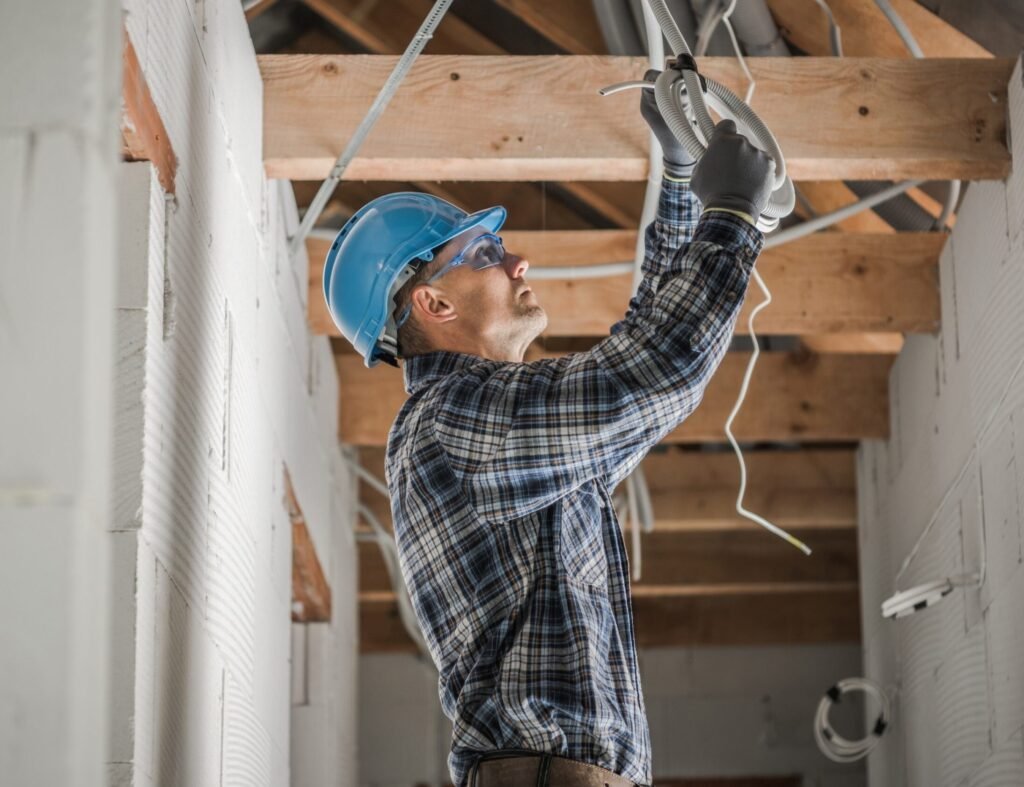
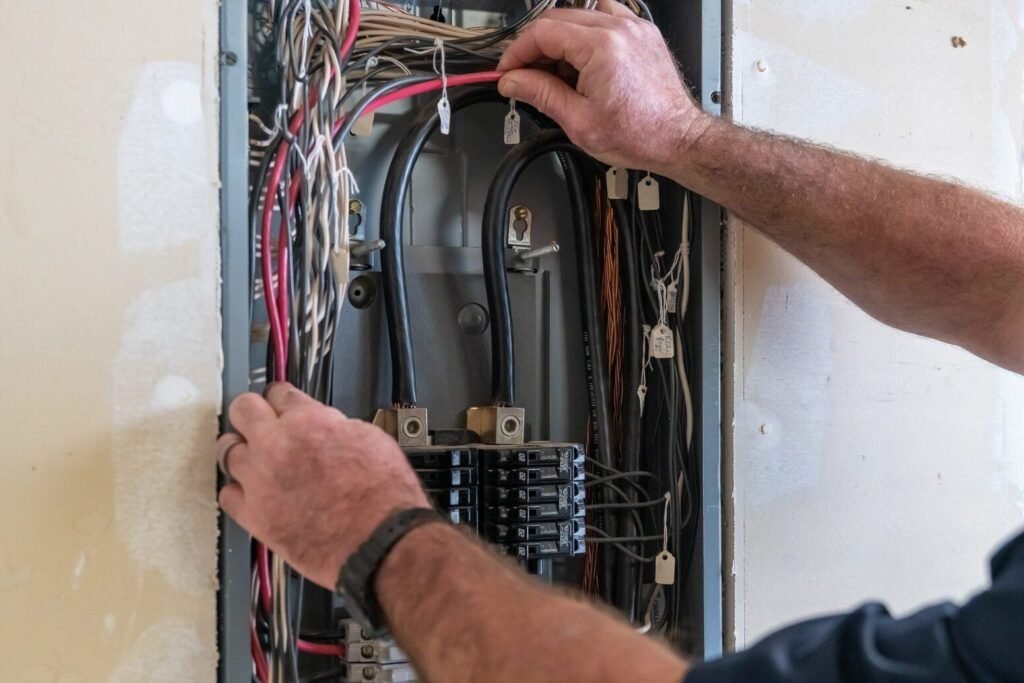
An electric panel upgrade may be appropriate when breaker space is limited, components are damaged, or the existing service cannot support planned loads. I evaluate the panel before recommending replacement. I also address breaker problems and electrical surge protection when the system needs safer capacity or better protection for connected equipment.
Wiring problems can show up as dead receptacles, warm devices, intermittent power, or recurring breaker trips. I trace the affected circuit before making changes. The scope can include outlet and switch installation, GFCI or AFCI protection, dedicated circuits, code corrections, and rewiring when damaged or outdated wiring makes a smaller repair incomplete.
Lighting and fixture work should account for more than appearance. I check the box, wiring, support, controls, and circuit condition before completing the connection. I handle lighting, ceiling fans, dimmers, switches, and fixture replacement while watching for loose connections, overloaded circuits, poor support, or previous work that needs correction.
EV charging and backup power can place substantial new demand on an electrical system. Before installation, I review panel capacity, circuit sizing, equipment requirements, and the connection method. For generator work, the transfer equipment also matters because generator power must be managed safely without creating an unsafe connection to utility power.
Repeated breaker trips are not something I recommend solving by resetting the breaker every time. The cause may be an overloaded circuit, damaged equipment, a failing breaker, a loose connection, or a wiring fault. Flickering lights, buzzing switches, dead outlets, warm receptacles, burning odors, discoloration, and intermittent power also deserve attention. The problem may be limited to one device or sit farther upstream in the circuit.
Older Orlando properties can create another concern. Local homeowners have reported finding older cloth-sheathed wiring and aging panels during inspections or insurance reviews. That does not mean every older cable requires a whole-property rewire. The condition, wiring type, grounding, alterations, and insurer requirements need to be identified before the right scope can be determined.
Previous additions and do-it-yourself repairs can create mixed systems too. In a business, the same faults can interrupt equipment or daily operations.
Electrical work in Orlando has to account for the requirements that apply to the project. The City of Orlando currently reviews applicable permits under the 8th Edition 2023 Florida Building Code and the 2020 National Electrical Code. Permit requirements can vary based on the work, property type, and current exemption rules.
The City maintains electrical permit applications for service, equipment, connections, additions, repairs, safety checks, and rewiring. Its electrical permit application also identifies Orlando Utilities Commission and Duke Energy as electric utility options. Service changes may require coordination beyond the work inside the panel.
I account for permit and inspection requirements before regulated work begins. The goal is not only to make the system operate. The work also needs a clear path to inspection and closeout when those steps apply.
Residential and commercial projects can also differ in how the electrical system operates. Commercial spaces may have different loads, occupancy conditions, lighting needs, equipment circuits, and life safety considerations. I define the work around the actual property instead of treating a commercial system like a larger house. Panel replacements, new circuits, service changes, generator connections, and larger wiring alterations may require permits or inspections. I identify those requirements before regulated work begins so compliance is part of the project plan rather than an issue discovered after installation.
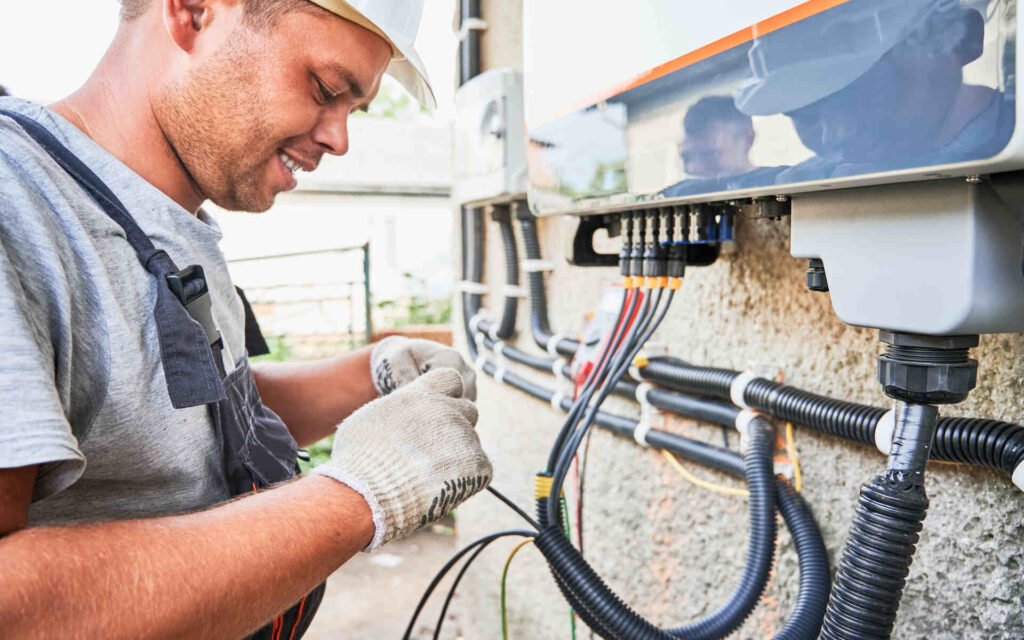
Central Florida has unusually high lightning activity. The National Weather Service identifies the region as the “Lightning Capital” of the United States. Thunderstorms, voltage events, utility interruptions, and power restoration can affect connected equipment and expose weaknesses in an electrical system.
That makes grounding, bonding, whole-home surge protection, outdoor equipment ratings, and backup power planning especially relevant in Orlando. A surge protective device is one layer of protection. It does not replace a properly grounded electrical system.
Storm outages also make generator planning more relevant. I look at the loads you need to support and the transfer method required before recommending a connection. Orlando Utilities Commission provides outage reporting and status tools for its customers.
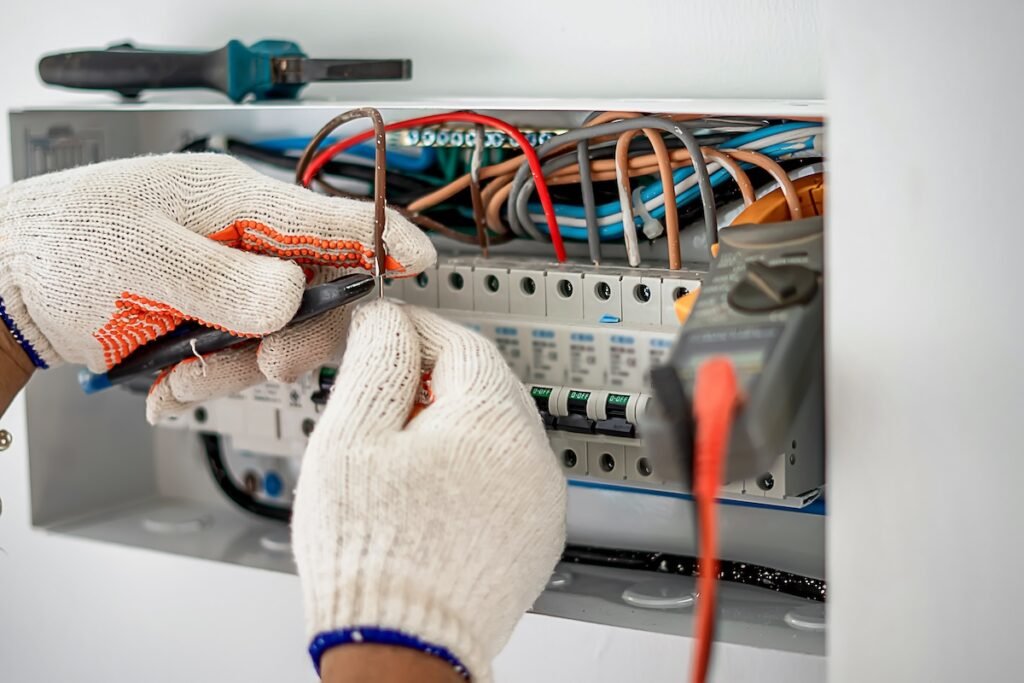
I start with what is happening now and what you want the system to do differently. For repairs, I look at the pattern of the problem. For installations, I review the equipment, intended use, and power requirements before treating the scope as final.
Next, I inspect the parts of the electrical system connected to the project. That may include the panel, breakers, wiring, receptacles, grounding, disconnects, and available capacity. I use those findings to separate the visible symptom from the condition actually causing it.
Once the condition is clear, I define the work before anything changes. I identify materials, circuit changes, access needs, permit requirements, utility coordination, and related finish work when needed. You should know what is included and what could change the scope before the project moves forward.
After the repair or installation, I test the affected circuit and equipment before considering the job complete. I verify operation and review anything you need to know about the new setup. When permits or inspections apply, the project also needs to reach the required closeout stage.
Not every electrical problem needs a major upgrade. A failed receptacle, damaged switch, loose connection, worn breaker, or isolated wiring fault may have a focused repair. I look for the smallest complete solution that addresses the actual condition.
An upgrade becomes more reasonable when the limitation affects the system itself. A crowded panel can limit future circuits. Damaged bus components or repeated load problems can point to a larger issue. Older wiring may need broader correction when deterioration or previous alterations affect more than one area.
I do not recommend a panel replacement based on age alone. Condition, capacity, compatibility, code requirements, and future use all matter. A load calculation and inspection provide a better basis for deciding whether repair, panel replacement, or an electric panel upgrade is justified.
Electrical contracting is regulated in Florida for a reason. State law requires contractors engaging in electrical contracting to hold the certification or registration appropriate to the work unless an exemption applies. I treat licensing, permits, and qualified trade involvement as part of the project rather than paperwork to think about later.
Mneus Contracting is built around personal accountability. My background includes hundreds of residential and commercial repair and improvement projects. That experience is useful when electrical work intersects with remodeling, wall access, equipment placement, finish repair, and occupied spaces.
I carry general liability and workers’ compensation coverage for the contracting work I manage. When a project requires a specialty electrical license or inspection, the right qualified trade needs to be responsible for that scope. I want property owners to know who is doing the work, what standard applies, and who is accountable when conditions change.

If you are dealing with a recurring electrical problem or planning a new installation, call (407) 970-9649, send me the project details, or request an estimate. I will review the condition, planned use, and work that may be required so you have a practical next step instead of another guess. Whether the issue involves a panel, wiring, lighting, outlets, an EV charger, or backup power, the first goal is the same: understand the system before changing it.
The earlier I understand the symptom, equipment, operating needs, or upgrade you are considering, the easier it is to plan the work correctly from the start.
Permit requirements depend on project scope and current exemptions. Panel changes, rewiring, service work, and EV charging commonly involve City of Orlando electrical permitting and inspections.
Panel replacement may be appropriate when components are damaged, breaker space is exhausted, recurring problems appear, or calculated electrical demand exceeds what the existing system can safely support.
A load calculation should be completed first. Available service capacity, panel space, existing household loads, charger size, and circuit requirements determine whether an upgrade is necessary.
Yes, surge protection can help limit voltage spikes reaching appliances and electronics. Orlando’s frequent lightning makes panel-mounted protection especially useful when paired with proper grounding and bonding.
Cost depends on diagnosis, materials, access, permit needs, panel capacity, and project scope. I define the required work first so the estimate reflects the actual condition.